



Fayetteville, NC — A major milestone in public safety training has been reached with the full opening of a $45 million regional Fire and Emergency Training Complex at Fayetteville Technical Community College. The new facility delivers one of the most advanced, real-world training environments for firefighters and emergency responders in North Carolina.
The Dr. J. Larry Keen Regional Fire and Emergency Training Complex officially opened this month, completing a multi-year initiative designed to strengthen emergency response capabilities, workforce development, and community safety across the region. The campus spans approximately 30 acres along Tom Starling Road and was purpose-built to replicate the conditions responders face during real emergencies.
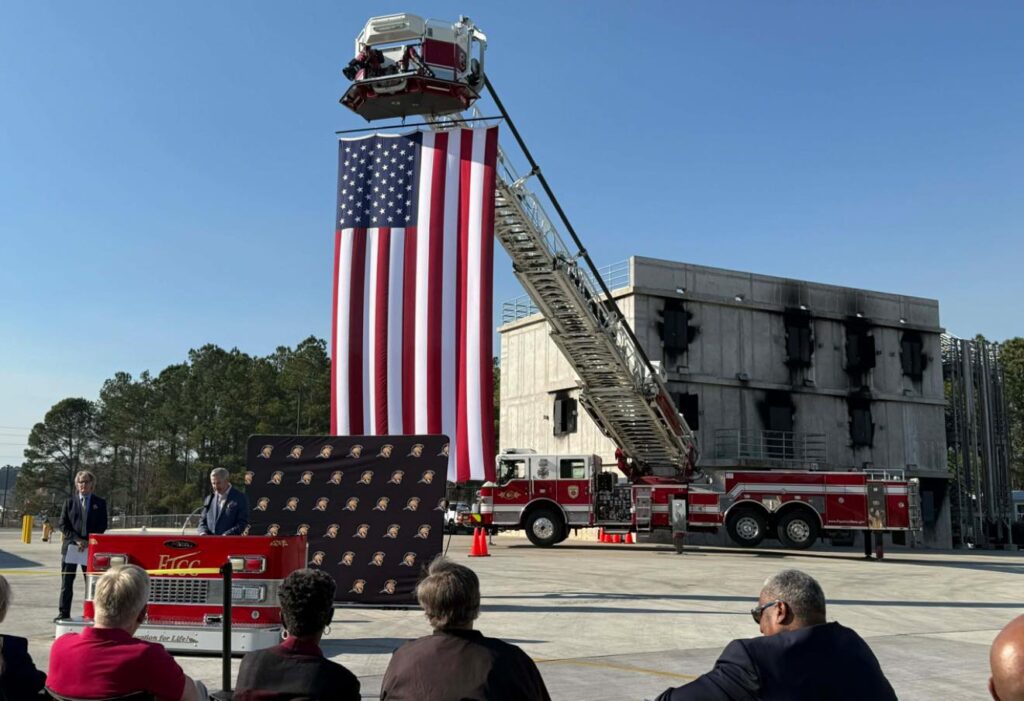
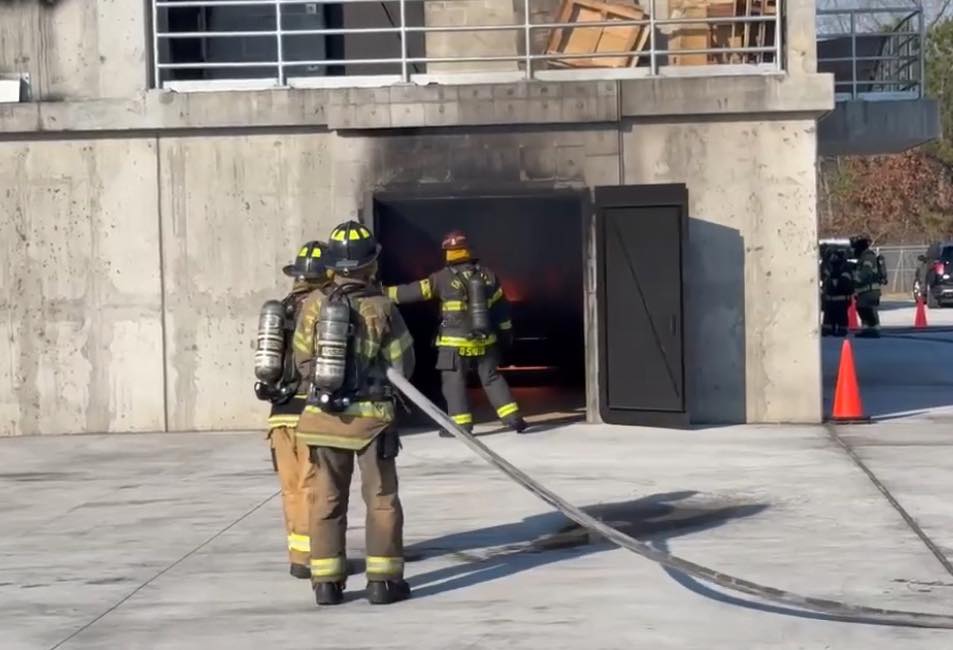
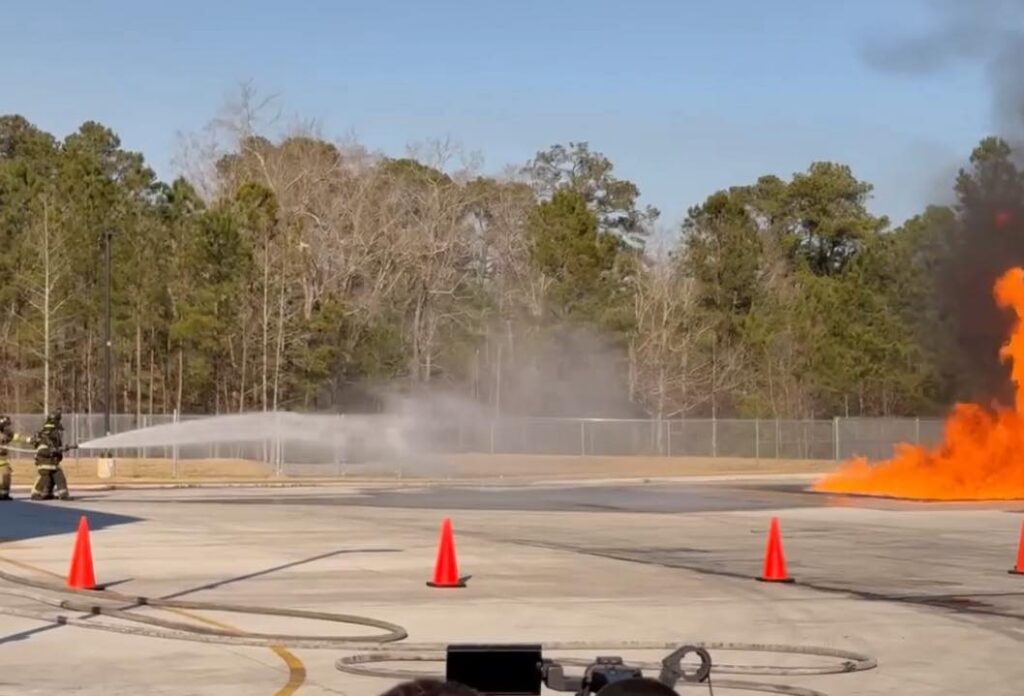
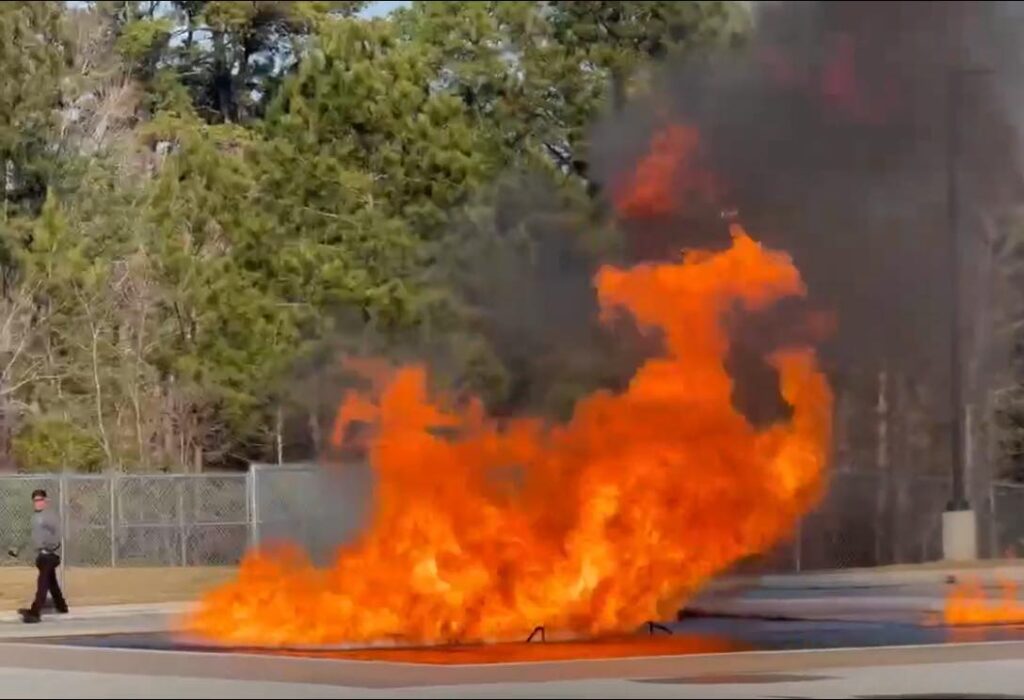
The final phase of construction adds extensive high-intensity training features, including a two-story apartment-style live-burn tower, a residential live-burn structure, an aircraft fire simulator, a 1,500-square-foot burn pit, an urban search and rescue training zone, arson investigation training huts, and expanded parking and emergency staging areas.
Earlier phases of the project introduced a 24,000-square-foot technical rescue campus and the only indoor swift-water rescue training facility on the East Coast. These facilities allow responders to train for complex rescue operations, disaster scenarios, and investigative situations in a controlled and repeatable environment.
Funding for the project came through a regional partnership. Cumberland County contributed the land and $10 million toward the complex, the State of North Carolina provided $20 million, and the remaining funds were secured through institutional and development sources.
The new complex significantly changes how public safety training is delivered in the region. Local departments can now complete advanced certifications and live-scenario drills without sending personnel out of county or out of state, reducing costs while increasing training opportunities and readiness.
Volunteer fire departments benefit from easier access to high-level instruction that supports recruitment, retention, and operational preparedness. For students, the facility creates a direct workforce pipeline into careers in firefighting, emergency medical services, investigation, and emergency management.
For the surrounding communities, the impact is immediate and measurable, with improved coordination between agencies, faster response times, and better-trained emergency personnel working to protect residents, businesses, and critical infrastructure throughout the region.